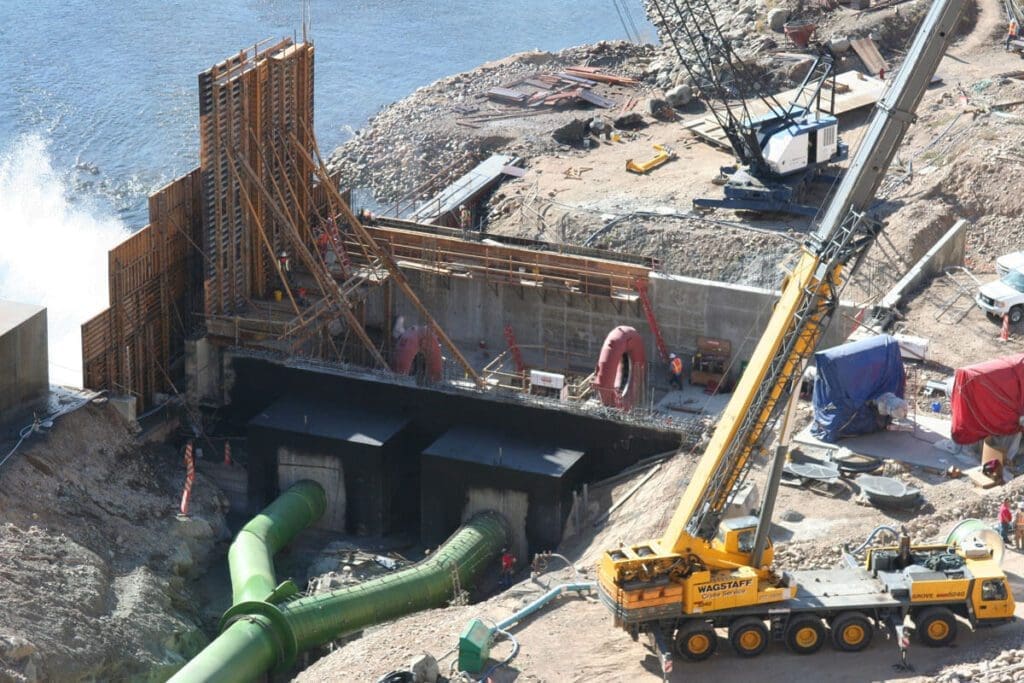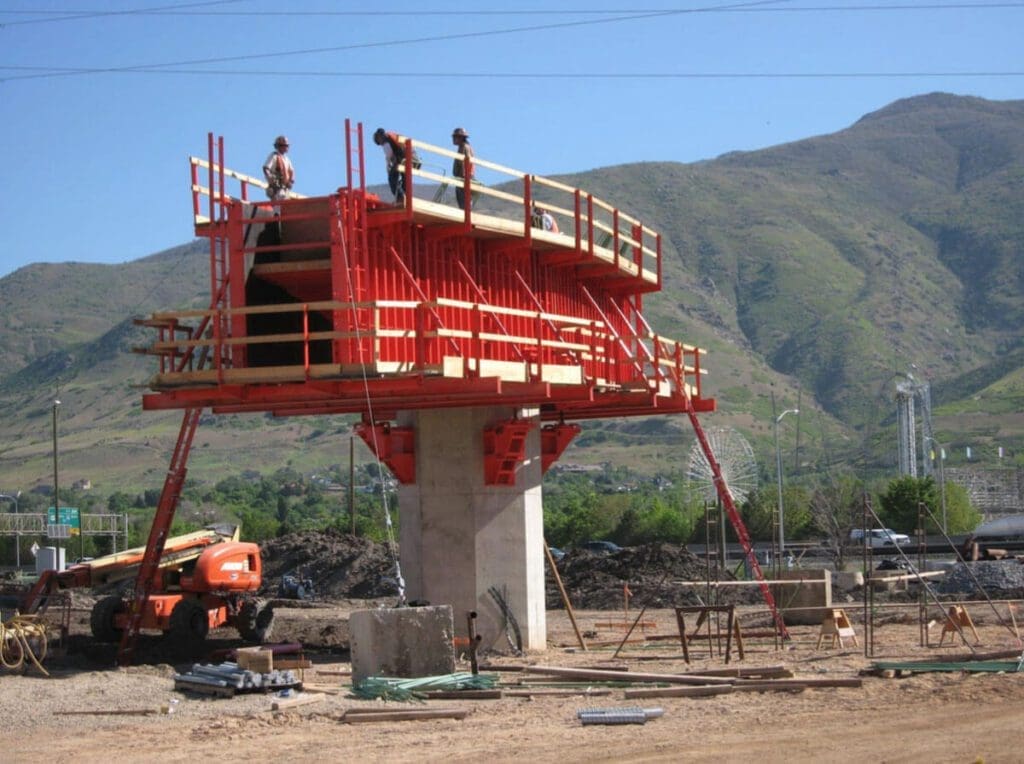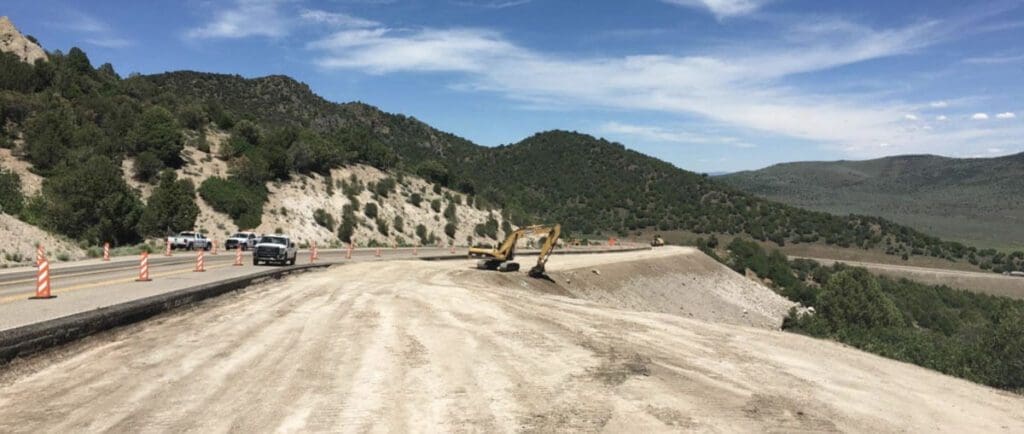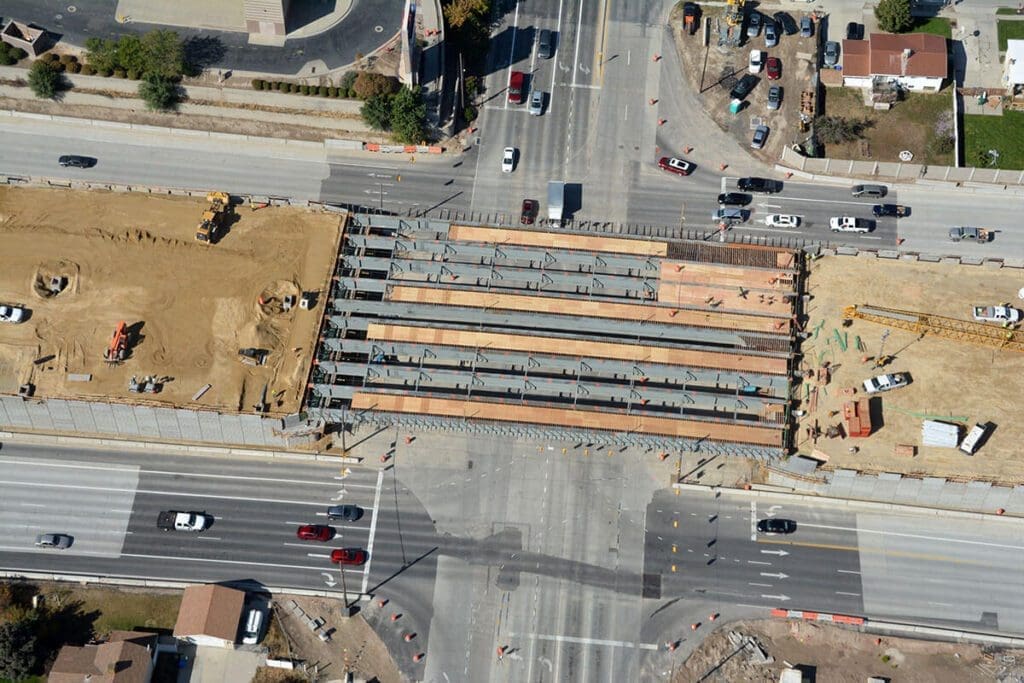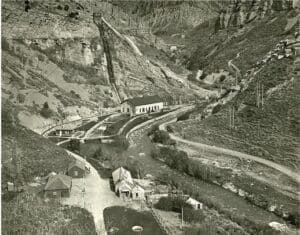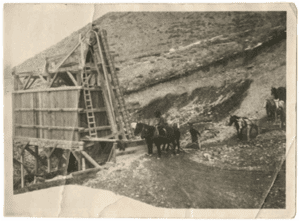
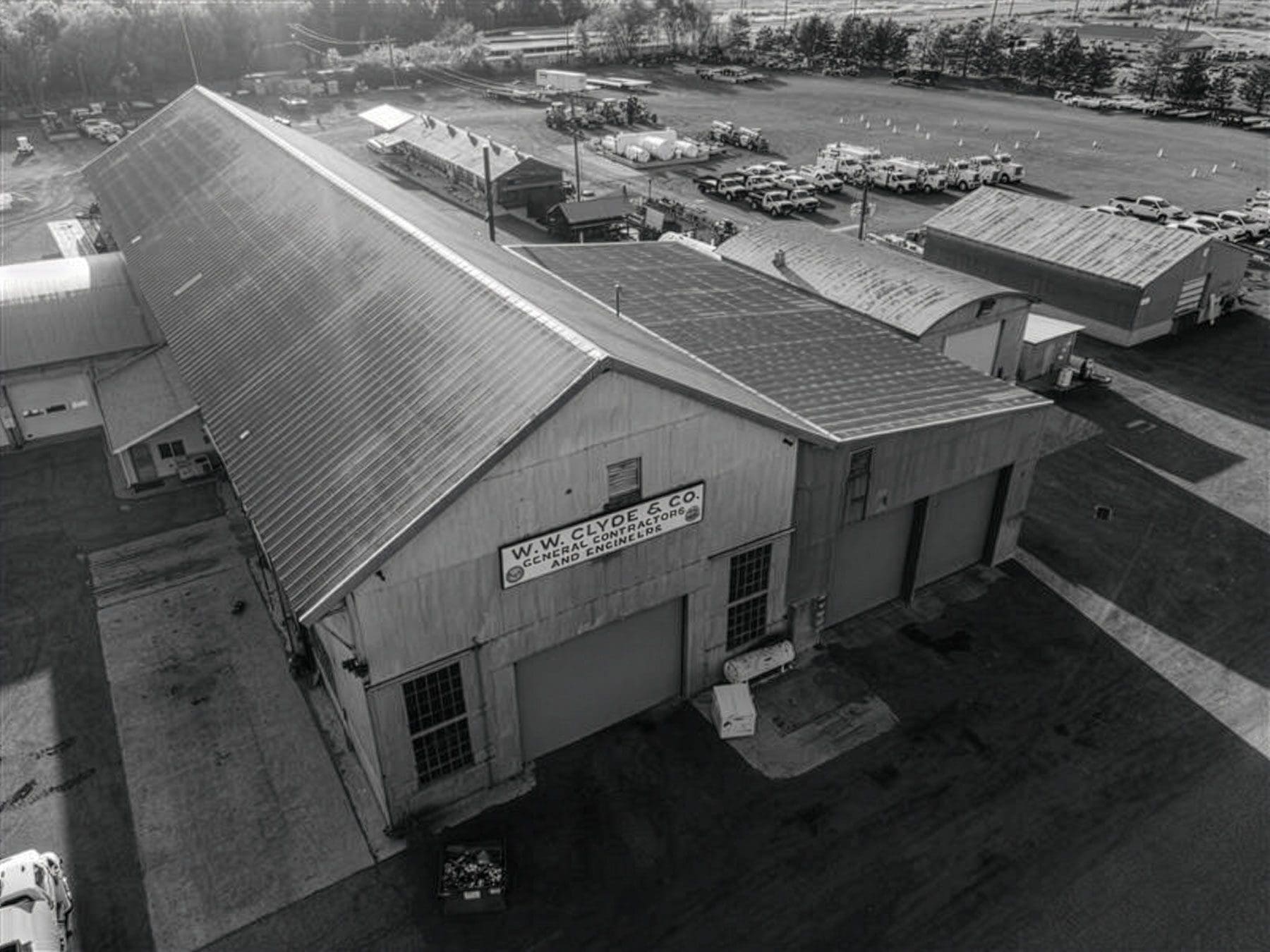




For 100 years, W.W. Clyde & Co. has helped shape the infrastructure of the Western United States.

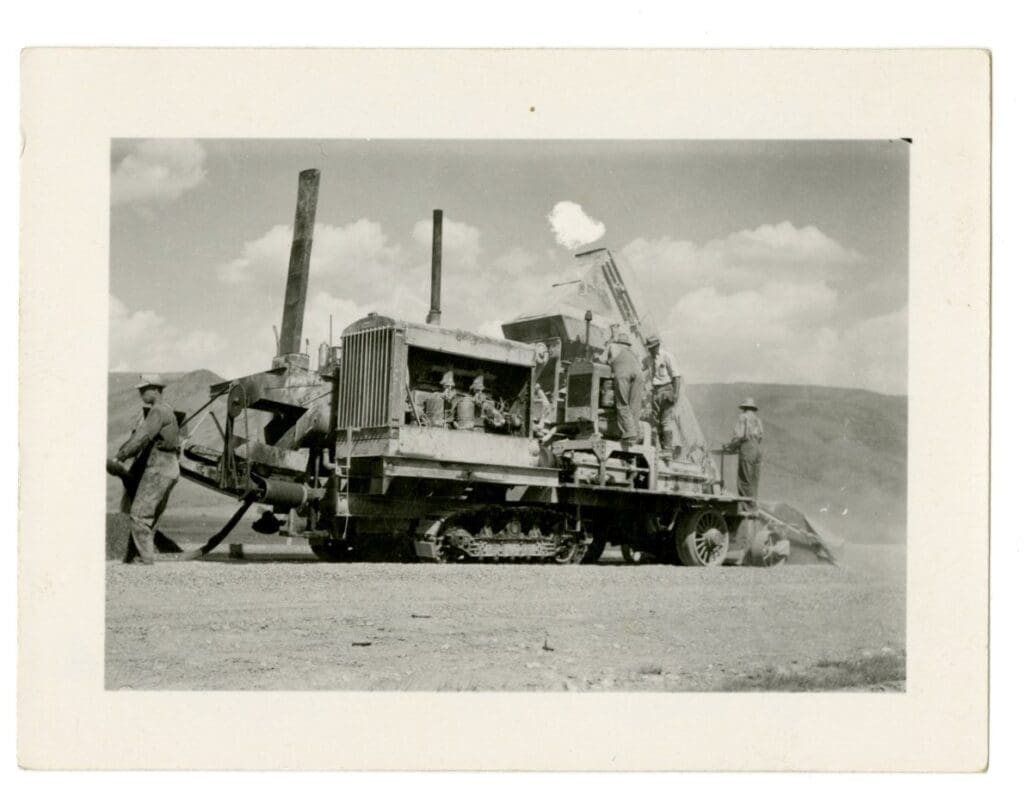
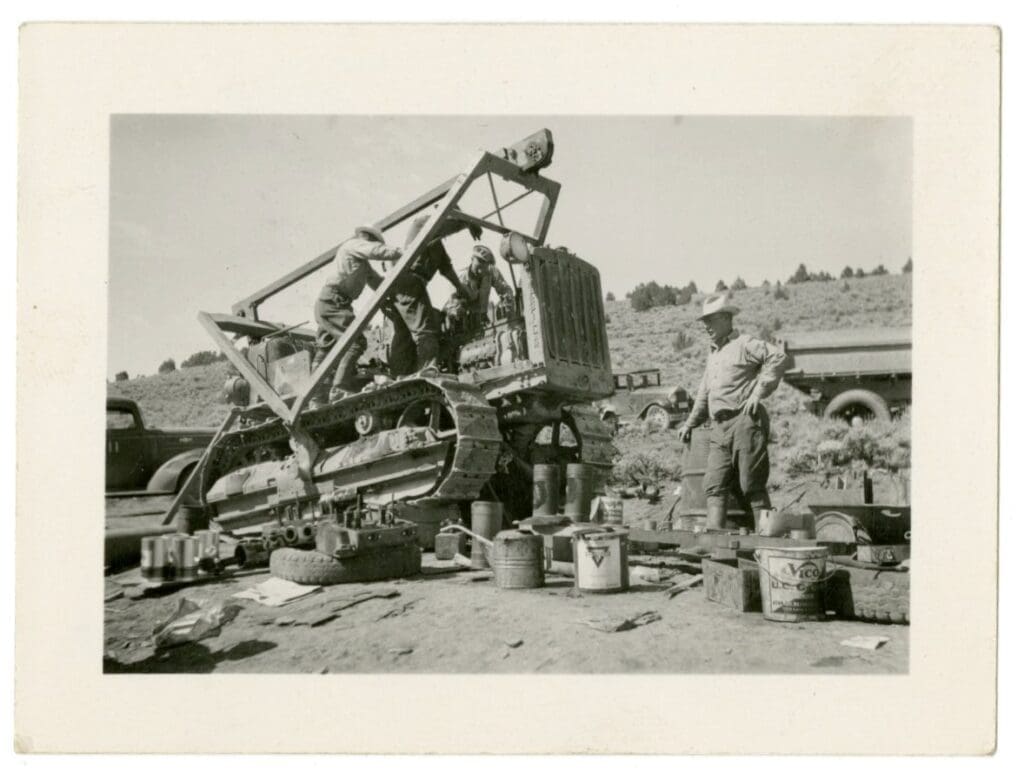
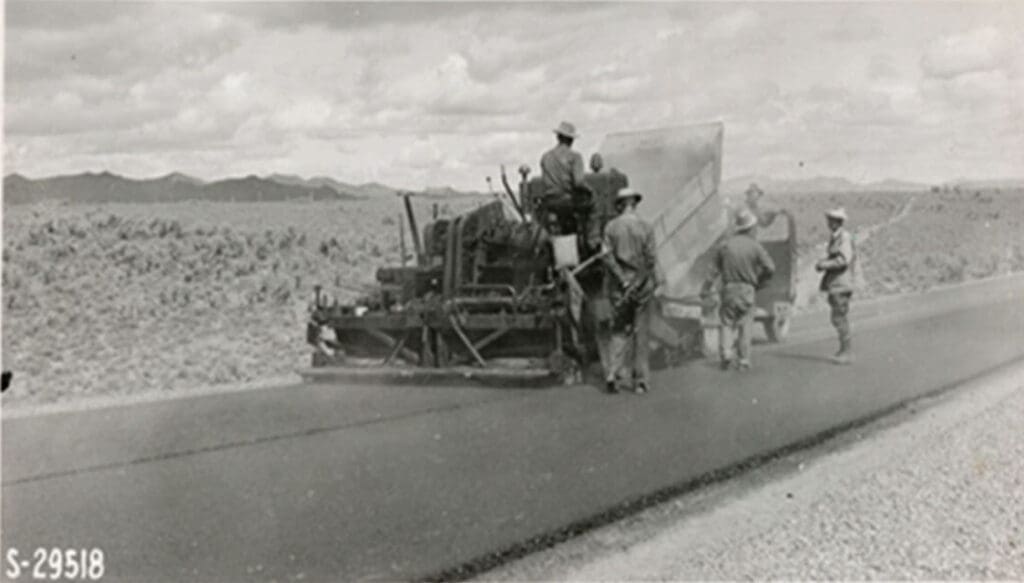
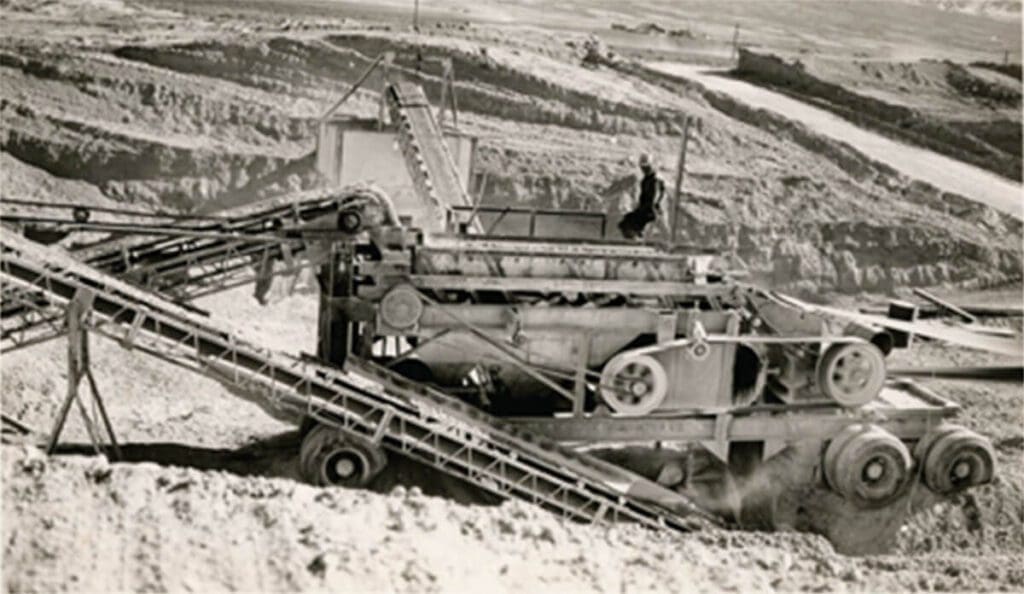
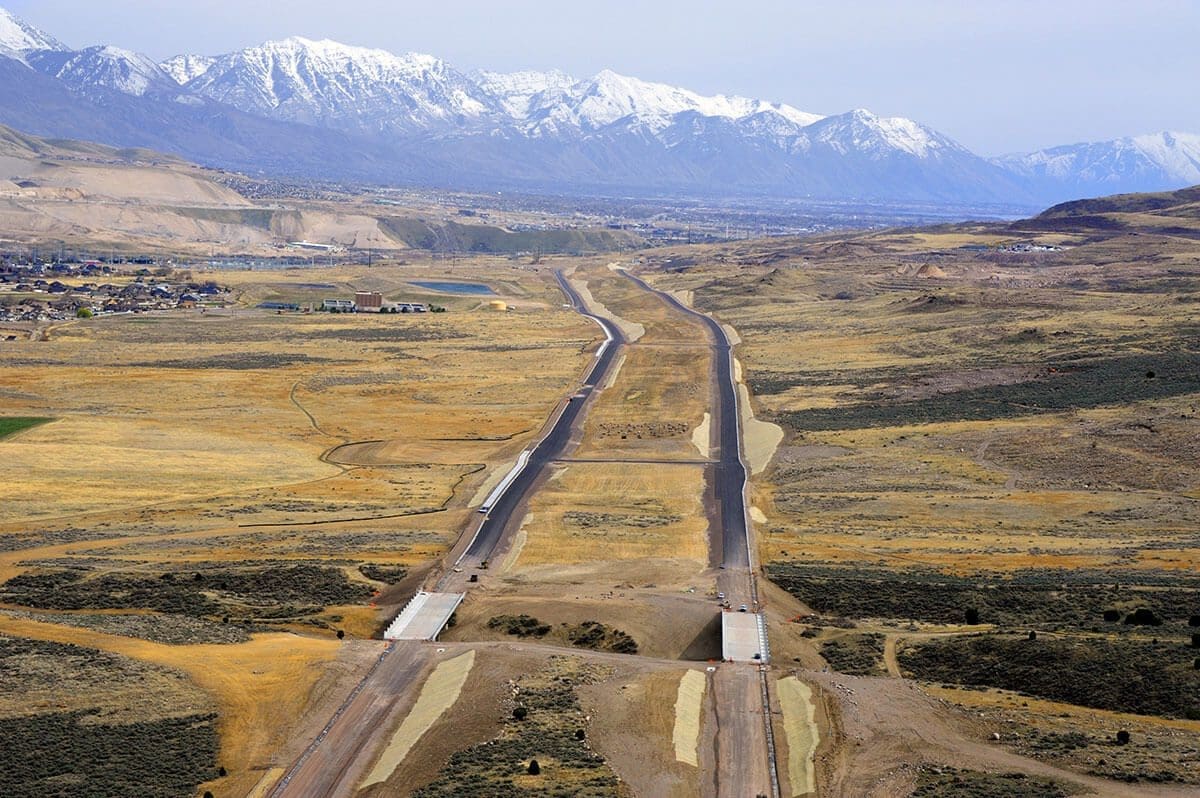
Founded in 1926, the company earned its start building roads in some of the region’s most demanding terrain. From the beginning, W.W. Clyde was defined by a willingness to take on complex work, solve problems in the field, and deliver projects that mattered to the communities they served. Over the decades, W.W. Clyde has delivered many of the roads, bridges, dams, pipelines, and energy projects that support the region today.

Explore moments from our history below to see how 100 years of building continues to move us forward.
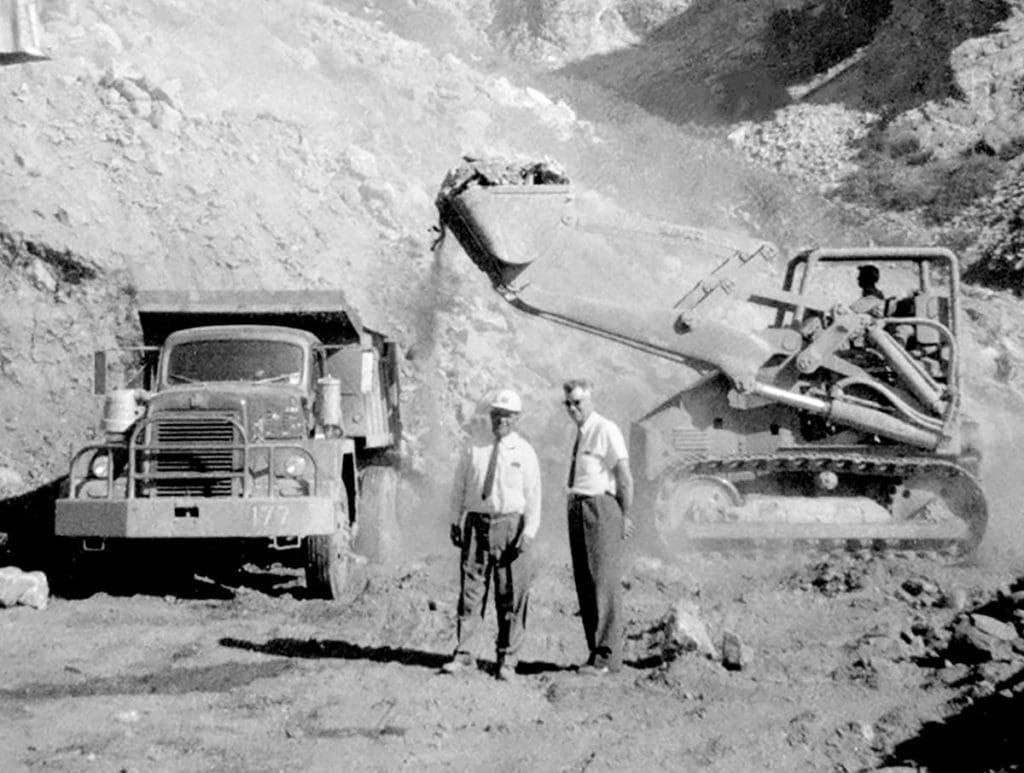
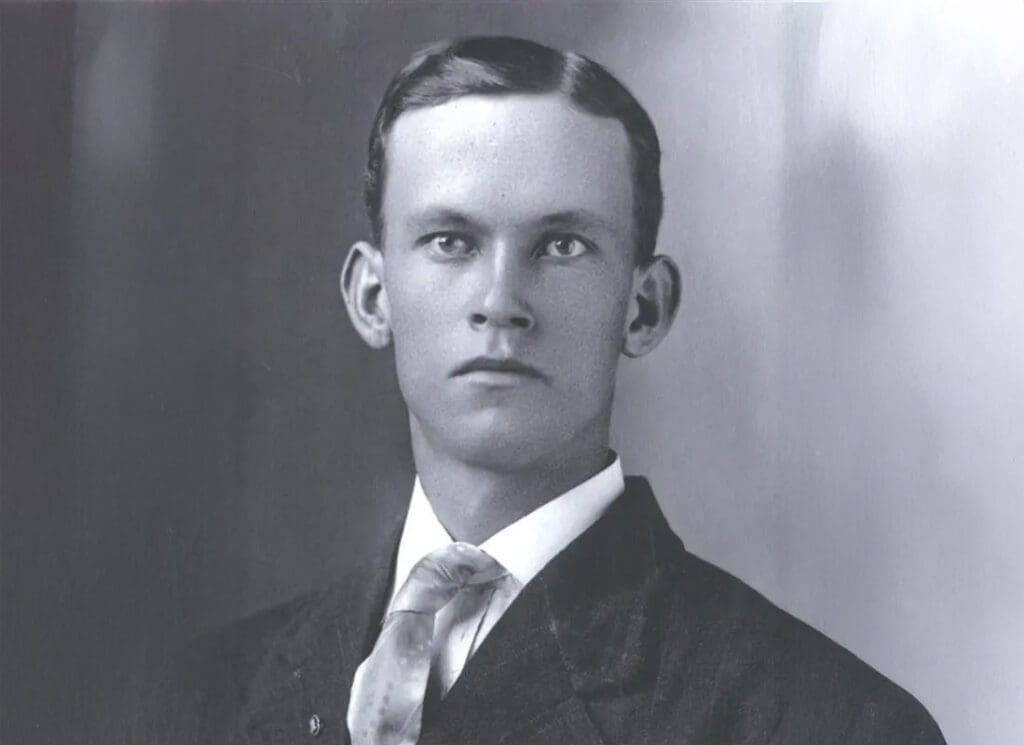
The Work That Built Our Legacy

1920s

Laying the Foundation

W.W. Clyde was founded in 1926, quickly establishing a reputation for tackling tough projects across the Intermountain West. Early road work in Nevada marked the company’s first major contract and set the foundation for a century of heavy civil construction rooted in quality, integrity, and innovation.  
1930s

Building Through Challenge

The 1930s marked early milestones despite economic uncertainty. W.W. Clyde completed road work in Zion National Park and Bryce Canyon, Utah, as well as projects near Fish Lake, Utah, and Marsing, Idaho. In 1939, WW Clyde was elected AGC of Utah president, where he helped advance state workers’ compensation laws while continuing to expand the company’s footprint across Utah.

1940s

Answering the Call

During the 1940s, W.W. Clyde supported critical military construction efforts, including airfields in Salt Lake City, Utah, and work at Hill Air Force Base. The company also contributed to the Scofield Dam replacement in Utah, demonstrating technical expertise and reliability during a pivotal period of national and regional growth.

1950s

Expanding Infrastructure

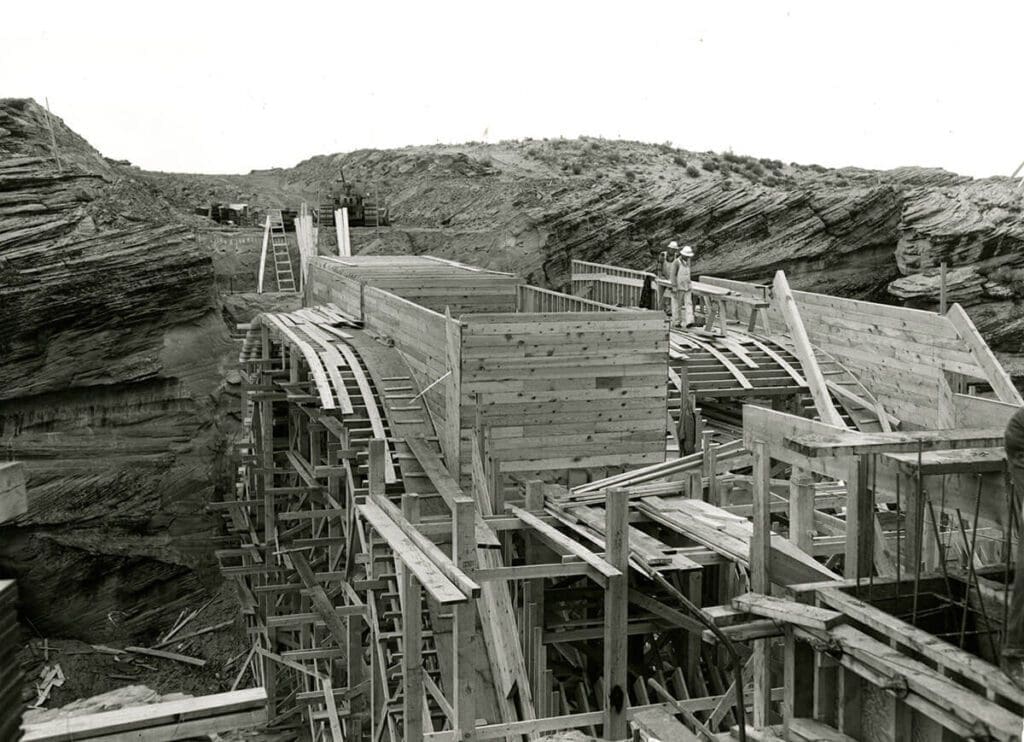
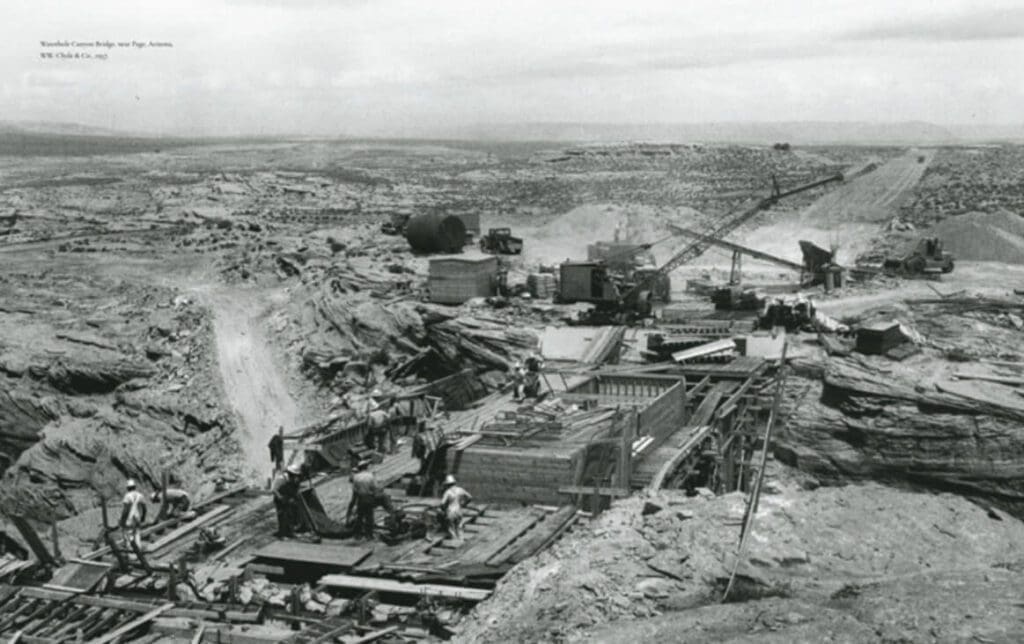
The 1950s brought major infrastructure advancement. W.W. Clyde completed Utah’s first Interstate project, the Beck Street Overpass in Salt Lake City, and played a key role in the excavation and infrastructure development of Page, Arizona. These projects marked the company’s growing leadership in large-scale transportation and public works.

1960s

Engineering at Scale

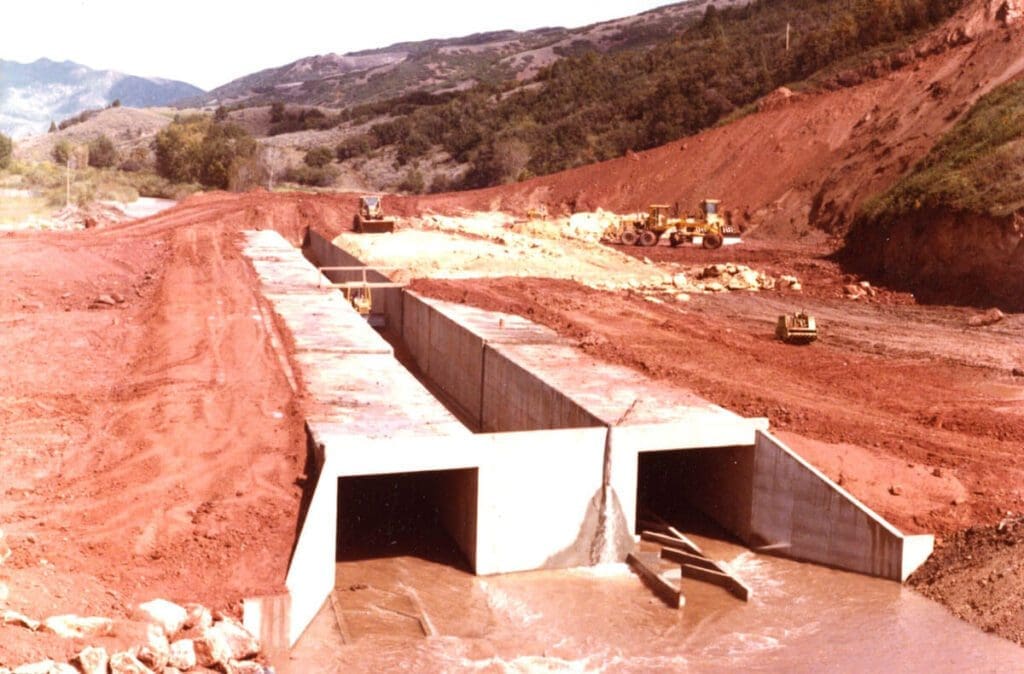
The 1960s reflected a period of ambitious, large-scale construction. W.W. Clyde completed Phase Three of Willard Bay in Utah, moving millions of cubic yards of material. The company also delivered the Starvation Feeder Conduit, Tunnel, and Bridge in Utah, along with work on the Hite Crossing Bridge, one of the earliest roadways to cross the Colorado River in Utah.


1970s

Strengthening the Region

The 1970s continued the momentum with major water and transportation projects that expanded infrastructure across the West. W.W. Clyde strengthened its reputation as a trusted builder capable of managing complex, multi-disciplinary work, including the Meeks Cabin Dam in Wyoming, supporting long-term regional growth.

1980s

Responding When It Mattered Most

In the 1980s, W.W. Clyde played a critical role in the response to the Thistle landslide in Utah, the largest and most expensive landslide in U.S. history at the time. The company also delivered key transportation projects including the I-215 Belt Route and the Green River Bridge in Utah, demonstrating the ability to respond to both urgent and planned infrastructure needs.

1990s

Building for the Future

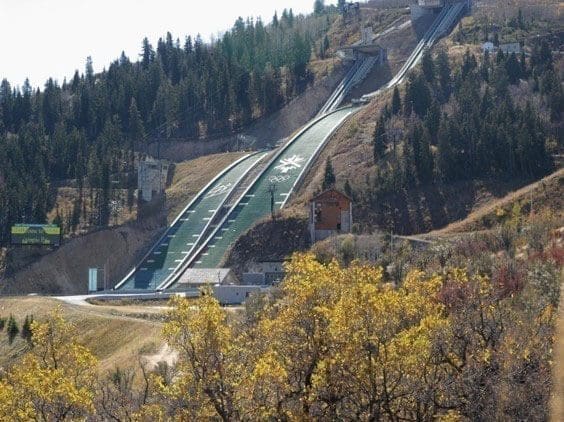
The 1990s marked continued growth through diverse statewide projects. W.W. Clyde completed work on the Syar Tunnel–Diamond Fork Power System in Utah and parkway projects in Kamas, Snowbasin Resort, and Coral Canyon, Utah. The company also supported site preparation for venues tied to the 2002 Salt Lake Winter Games, helping prepare Utah for a global stage.

2000s

Innovation and Collaboration

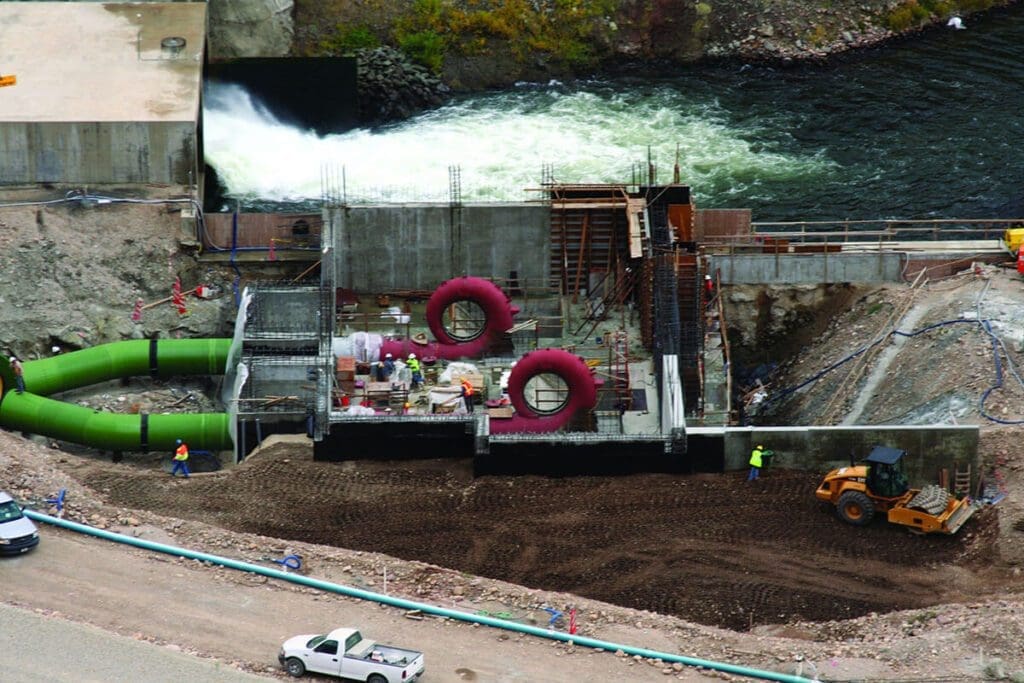
The early 2000s introduced landmark projects across Utah, including the state’s first Diverging Diamond Interchange at Beck Street, Pioneer Crossing, major I-15 corridor improvements, and the Olmsted Pipeline. W.W. Clyde also partnered on the Legacy Parkway and delivered the Jordanelle Hydroelectric Dam, reflecting a growing range of expertise and collaboration.

2010s

Advancing Modern Construction

Throughout the 2010s, W.W. Clyde delivered innovative transportation and infrastructure solutions across Utah and neighboring states. Award-winning projects, design-build delivery methods, and a major acquisition supported expansion into new markets while reinforcing the company’s reputation for quality, safety, and performance.

2020s

Carrying the Legacy Forward

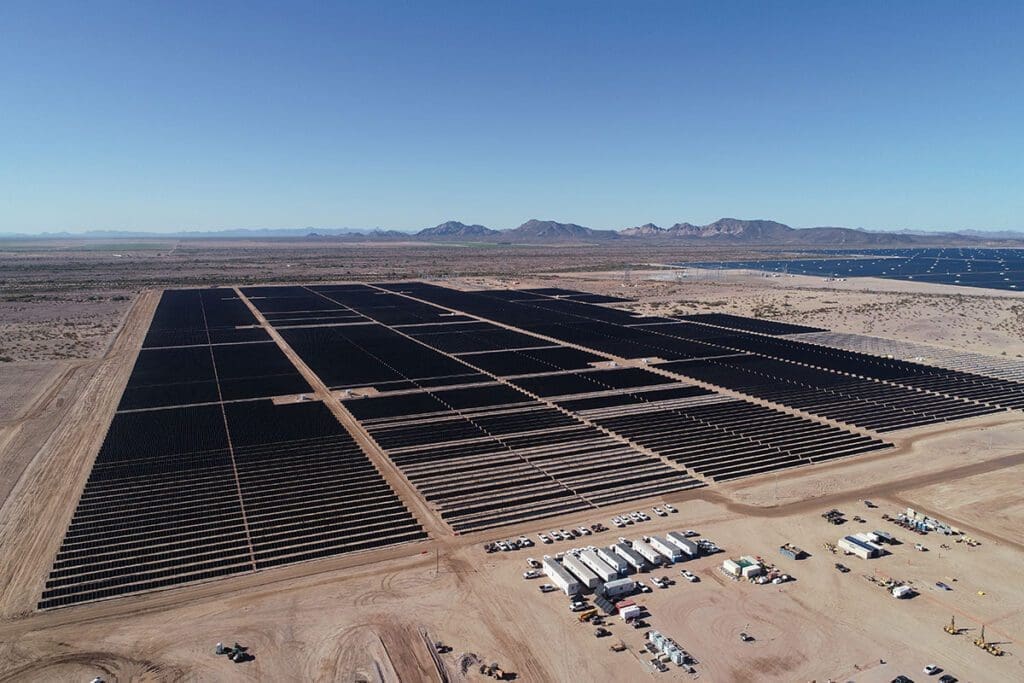
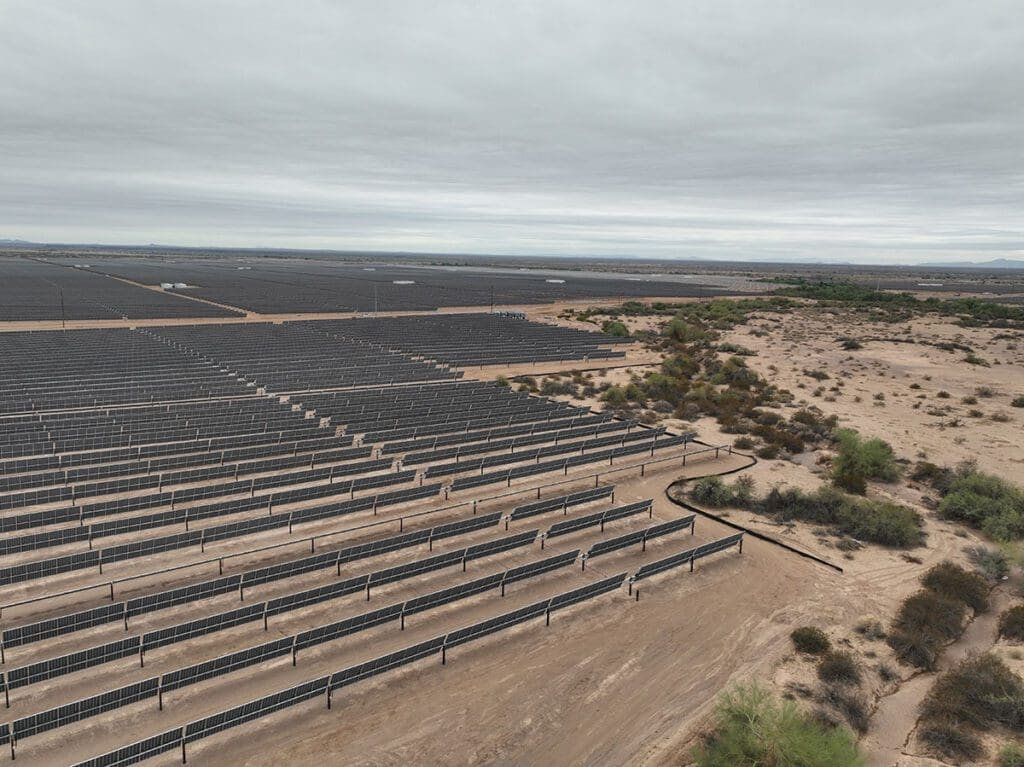
In the early 2020s, W.W. Clyde continued building critical infrastructure across the region. Projects included major water pipelines in Davis County, Utah, solar developments in central Utah, and ongoing corridor improvements statewide.

Strategic acquisitions beginning in the late 2010s and continuing into the early 2020s expanded the company’s scale and capabilities, including growth into Colorado and Arizona.

1920s
1930s
1940s
1950s
1960s
1970s
1980s
1990s
2000s
2010s
2020s

“The same values that guided our earliest projects continue to shape how we build today and how we’ll build into the future. The projects last, but so does the responsibility to do the work right and leave communities better than we found them.”

Dustin Olson
President, W.W. Clyde

Through the Decades

Check back monthly as we share stories of projects from each decade of W.W. Clyde’s history across our social media channels.

A Defining Undertaking: The Rebuilding of Scofield Dam

By the early 1940s, Scofield Dam was nearing the end of its useful life. Originally [...]

A Turning Point: The Pineview Dam Project

By the early 1930s, W.W. Clyde & Co. was establishing itself as a trusted builder [...]

Innovation From the Start: The Steptoe Project

Every great legacy starts somewhere. For W.W. Clyde & Co., that beginning came on a [...]